Summer is a season of unparalleled joy for families and their companions. The longer days, warm evenings, and abundance of outdoor activities invite us to spend more time exploring the natural world with our four-legged companions. Whether your plans include weekend hiking trips, afternoon pool parties, or quiet evenings relaxing on the porch, summer offers unique opportunities to strengthen the bond between humans and animals. However, this vibrant season also introduces environmental stressors and health hazards that can catch even the most conscientious owner off guard if they fail to prepare adequately.
Pets experience the elements differently than we do. Their physiological mechanisms for shedding body heat are vastly limited compared to human biology, making them far more susceptible to thermal stress, dehydration, and exhaustion. Furthermore, the summer season marks a dramatic spike in regional insect populations, environmental allergens, and potential safety risks at neighborhood gatherings. To ensure your companion enjoys a vibrant, active, and comfortable season, you must approach summer care with a comprehensive, proactive strategy that balances physical protection with mental stimulation.
Creating a haven for your pet throughout the warmest months requires a mixture of daily situational awareness and an established professional support network. By adjusting your exercise routines, investing in protective gear, and understanding the physiological red flags of environmental distress, you can easily navigate the hidden challenges of the season. This comprehensive guide covers everything you need to know to optimize your pet’s physical safety and psychological well-being, ensuring your summer memories are defined by joy rather than medical emergencies.
Master Heat Safety: Recognizing Heatstroke and Accessing Care
The most immediate threat to an animal during the summer is the rapid accumulation of internal body heat. Unlike humans, who have millions of sweat glands across their skin to facilitate evaporative cooling, dogs and cats can only release heat through rapid panting and a very limited number of sweat glands in their paw pads. This highly inefficient cooling design means that when ambient temperatures and humidity levels rise, an animal’s ability to stabilize its internal temperature drops precipitously, occasionally leading to a life-threatening crisis within minutes.
Recognizing the early symptoms of heat exhaustion allows you to intervene before permanent cellular or organ damage takes place.
- Monitor your animal for hyper-extended panting, thick or excessive saliva secretion, bright red or purple gums, and glassy, unfocused eyes during outdoor exercise.
- Observe behavioral red flags, such as a sudden refusal to walk, frantic searching for shade, unsteadiness on the feet, or unexpected gastrointestinal distress, such as vomiting.
- Formulate a comprehensive emergency mitigation plan long before you load your pet into the car for a summer road trip or beach outing.
- Identify the exact physical location of a fully equipped animal hospital along your route that can handle critical emergency cases and advanced thermal trauma.
- Save the direct contact information of a regional pet urgent care facility in your mobile device so you can alert their medical team while you are actively en route with a distressed animal.
If you suspect your companion is overheating, immediately move them into an air-conditioned room, drape them in cool, damp towels, and offer small sips of room-temperature water. Never submerge an overheated animal in ice water, as this causes their peripheral blood vessels to constrict rapidly, effectively trapping critical heat deep within their vital organs.
Proactive Veterinary Care: Seasonal Preventions and Local Resources
The arrival of warm weather signals a massive demographic explosion among dangerous parasites and disease vectors. Fleas thrive in humid conditions, ticks wait at the tips of tall grasses to attach to passing hosts, and heartworm-carrying mosquitoes multiply exponentially in stagnant pools of water. A single tick bite can transmit debilitating conditions like Lyme disease or Rocky Mountain spotted fever, while heartworm infestations can cause permanent, irreversible respiratory and cardiovascular damage if left completely untreated.
Maintaining an unassailable defensive shield against these biological vectors requires establishing a consistent preventative health routine with certified medical professionals.
- Schedule a comprehensive pre-summer wellness exam to test your pet for existing vector-borne infections before starting their heavy seasonal medication cycles.
- Discuss the specific efficacy of oral chewables, topical drops, and preventative collars with the medical staff at your trusted local vet clinics to find the optimal solution for your lifestyle.
- Ensure that all essential vaccinations, particularly those protecting against Rabies, Leptospirosis, and Bordetella, are entirely up to date before exposing your pet to social environments.
- Take advantage of modern digital maps to locate highly rated veterinarians near me when traveling out of state, ensuring you never have to guess where to find care in an unfamiliar city.
A quick visit to your primary medical provider before the peak of summer ensures your companion is structurally equipped to handle the unique biological challenges of the season. This baseline medical preparation grants you total peace of mind as you venture into wooded trails, off-leash dog parks, and public campgrounds.
Smart Hydration Strategies and Summer Gear
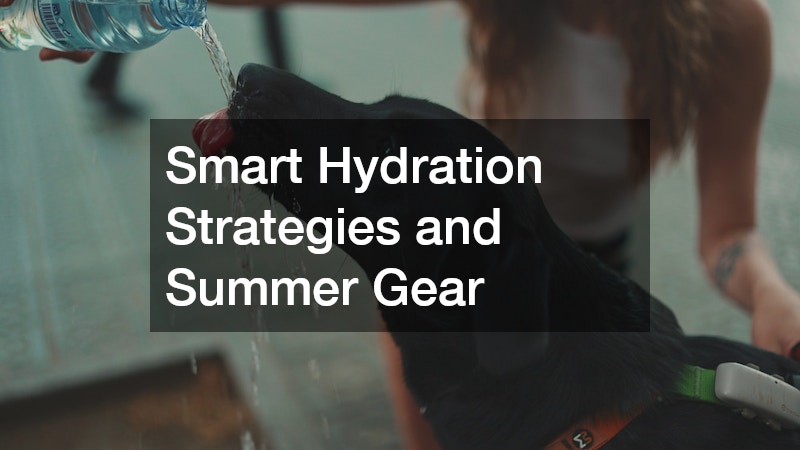
Keeping your companion properly hydrated is the absolute foundation of summer wellness. As animals pant to shed heat, they lose an immense amount of bodily moisture through evaporation, which must be systematically replenished to prevent blood volume drops and kidney strain. Simply leaving a single bowl of water on the back deck is insufficient; you must actively manage water accessibility and utilize modern tools to encourage consistent fluid intake.
Equipping yourself with the right tools ensures that your outdoor excursions remain entirely safe, comfortable, and refreshing.
- Pack double the amount of water you assume your pet will need for any walk, utilizing insulated, stainless steel flasks to keep the liquid crisp and refreshing.
- Avoid letting your companion drink from stagnant ponds, puddles, or public beaches, as these water sources are often contaminated with toxic blue-green algae, leptospirosis bacteria, or dehydrating salt compounds.
- Browse the seasonal aisles of your local pet supply establishment to discover advanced cooling vests, floating retrieval toys, and specialized, zinc-free sunscreens designed for pet skin.
- Recognize that minor outdoor injuries, such as a torn claw from a rocky trail or a bee sting on a sensitive snout, can be swiftly managed at a neighborhood animal clinic without requiring a trip to a major trauma center.
By treating hydration as an active responsibility rather than a passive afterthought, you protect your companion from the silent onset of dehydration. Investing in high-quality gear transforms your summer outings, allowing your pet to participate in family adventures without suffering from raw paws or sunburned skin.
Strategic Care Scheduling: Boarding, Socializing, and Travel
Summer schedules are naturally fluid, often packed with daytime barbecues, firework displays, and travel itineraries that may not be entirely suitable for domestic pets. Forcing a heat-sensitive or anxious animal to endure a crowded, sun-drenched outdoor festival can result in immense psychological stress and physical danger. Strategic management means knowing when to include your companion in your plans and when to leverage professional care environments.
When personal commitments pull you away from home during the hottest periods of the day, utilizing specialized facility oversight protects your pet from isolation and environmental stress.
- Avoid leaving your companion home alone during severe afternoon thunderstorms, as the combination of high humidity and sonic anxiety can trigger destructive behavior.
- Choose a licensed dog kennel that features comprehensive climate control, spacious indoor runs, shaded outdoor bathroom zones, and a highly trained monitoring staff.
- Ensure the boarding facility you choose requires proof of immunization from all clients, completely eliminating the risk of communicable respiratory outbreaks.
- Enroll high-energy, highly social dogs in a premier doggie day care program during the peak heat hours of 10 AM to 4 PM to keep them active in an air-conditioned sandbox.
These professional environments offer structured socialization, continuous hydration tracking, and a completely temperature-regulated space. By matching your pet’s daily schedule to their physiological comfort zone, you prevent heat exhaustion while ensuring they receive the mental stimulation and physical exercise they require to stay happy.
Summer Grooming Dynamics and Urgent Medical Scenarios
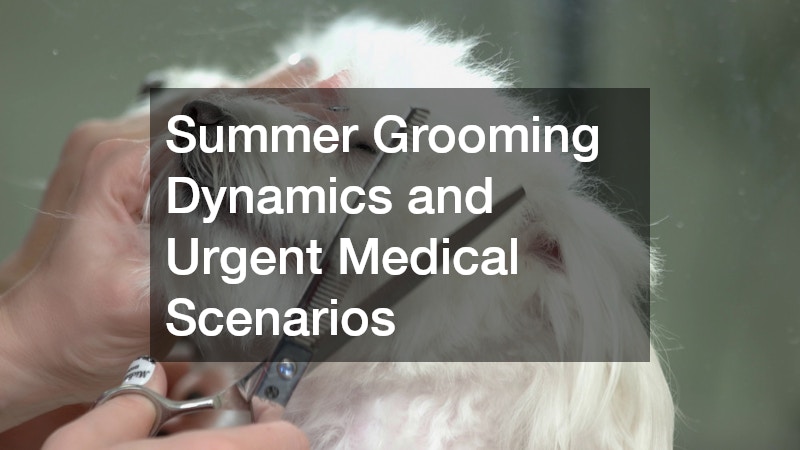
An animal’s coat is a highly sophisticated, multi-functional structure that serves as their primary defense mechanism against the external environment. A dangerous misconception among pet owners is that shaving a thick-coated dog down to the skin helps them stay cool in hot weather. In reality, a dog’s undercoat acts as thermal insulation that keeps heat out while protecting their delicate skin from severe sunburn and malignant UV radiation.
Managing this natural insulation system requires an accurate understanding of coat mechanics and immediate access to professional intervention should environmental conditions overpower your pet’s natural defenses.
- Schedule a meticulous dog grooming appointment to systematically strip out dead, trapped undercoat hairs that inhibit natural air circulation across the skin.
- Focus on clearing away mats and debris around the belly and groin areas, as these zones are critical for heat dissipation when an animal lies down on a cool surface.
- Trim the hair between your dog’s paw pads to reduce the accumulation of burning asphalt heat and prevent dangerous fungal growth from trapped sweat moisture.
- Act immediately by contacting an urgent care veterinarian if your companion’s rectal temperature breaches 103 degrees Fahrenheit following outdoor exertion.
A properly maintained coat acts like a high-performance athletic fabric, regulating temperature while blocking harmful radiation. However, when extreme weather conditions cause natural defenses to fail, having immediate access to specialized medical professionals who can administer intravenous fluids and internal cooling therapies is the ultimate safeguard for your companion’s life.
Nutritional Adjustments and Backyard Safety
As daylight hours lengthen and temperatures climb, you may notice a subtle shift in your pet’s daily habits, particularly regarding their appetite and metabolic rate. Many animals naturally reduce their caloric intake during the peak of summer because they are less physically active during the hottest hours of the day. Forcing your pet to consume the exact same portion size as they do during the crisp winter months can result in unwanted weight gain or digestive discomfort.
Transforming your immediate backyard into a safe, toxin-free playground requires auditing both your landscaping choices and your outdoor entertainment habits.
- Feed your companion during the cooler periods of the morning and late evening, as animals are far more likely to enjoy their meals when they aren’t actively fighting ambient heat.
- Inspect your garden borders to ensure your pet cannot access toxic summer flora, such as sago palms, azaleas, or oleander bushes, which cause severe hepatic failure if ingested.
- Exercise extreme caution when applying lawn fertilizers, insect repellents, or snail baits, keeping your animals completely off the grass until all treatments have dried or washed into the soil.
- Secure all trash receptacles during outdoor barbecues to prevent your pet from consuming splintered cooked bones, corn cobs, or toxic foods like onions, grapes, and chocolate desserts.
Your backyard should serve as a secure sanctuary where your companion can explore without encountering chemical hazards or dietary toxins. By managing what enters your pet’s digestive system and securing your perimeter against hidden environmental dangers, you establish a baseline of safety that allows for carefree summer relaxation.
Behavioral Wellness and Environmental Enrichment
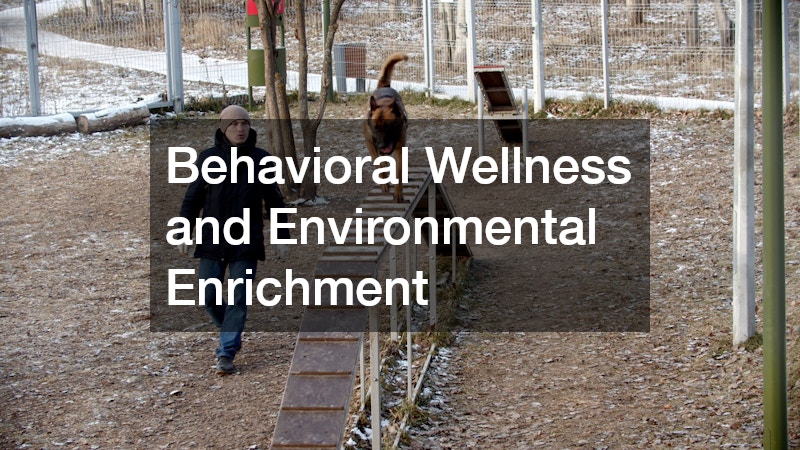
Physical safety is merely one half of the summer wellness equation; you must also prioritize your companion’s psychological health. When high heat index scores force you to restrict long outdoor walks, a high-energy animal can quickly become bored, frustrated, and anxious. Channeling that pent-up physical energy into constructive indoor activities prevents behavioral regression and keeps your companion mentally sharp.
Introducing creative sensory games and modifying your exercise patterns keeps your pet thoroughly entertained while avoiding the physical dangers of the midday sun.
- Shift your primary walking and training sessions to the early morning hours before 7 AM, when the earth is cool, the air is crisp, and the ground is safe for paws.
- Create interactive frozen puzzles by freezing low-sodium broth, berries, and kibble inside durable rubber toys, providing hours of cool, mentally stimulating entertainment.
- Utilize indoor scent-tracking games by hiding aromatic treats around your living room, forcing your dog or cat to utilize their olfactory senses to hunt down their rewards.
- Incorporate gentle water play into your yard routine using low-pressure garden sprinklers or shallow plastic wading pools filled with cool freshwater.
Mental exercise can tire an animal out just as effectively as a long run, making indoor enrichment an invaluable tool for exceptionally hot days. By proactively modifying how you interact with your pet when the weather turns oppressive, you preserve their emotional stability and ensure they remain relaxed, content, and completely integrated into your daily household life.
Conclusion
Keeping your pet safe, comfortable, and happy throughout the summer is a deeply rewarding responsibility that requires forward-thinking preparation, situational awareness, and a commitment to high-quality care. By respecting the physiological differences in how animals process heat and environmental stress, you can easily design a summer lifestyle that maximizes fun while entirely eliminating unnecessary risks. Every deliberate choice you make—from altering your morning walking routes to mapping out professional medical facilities along your travel paths—serves as an act of protection for your companion.