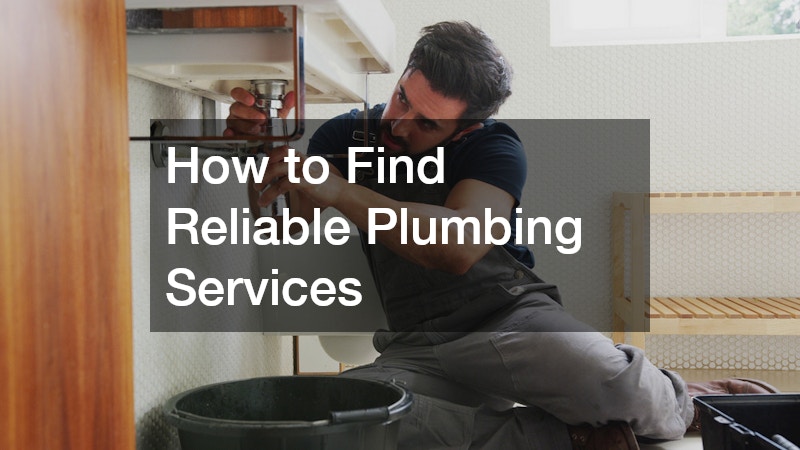
Plumbing issues rarely happen at a convenient time. Whether it is a midnight pipe burst, a stubborn drain backup, or a failing water heater, facing a household plumbing disaster can feel overwhelming. In these high-stress moments, the temptation to hire the first contractor who picks up the phone is strong. However, rushing into a hiring decision without proper vetting often leads to substandard repairs, unexpected hidden costs, and property damage.
Finding dependable plumbing services before an emergency strikes—or knowing how to quickly vet contractors when you are under pressure—ensures your home’s infrastructure remains safe, functional, and efficient.
1. Verify Credentials, Licensing, and Insurance
The first step in evaluating any plumbing company is verifying their legal and professional qualifications. Plumbing systems are tied directly to public health and municipal water infrastructure, which is why state and local governments regulate the trade strictly.
Licensing and Certifications
Never hire an unlicensed contractor. A valid state plumbing license proves that the technician or master plumber has undergone rigorous hands-on apprenticeship training, passed comprehensive technical exams, and understands local building codes. You can usually verify a license number in seconds through your state’s occupational licensing board or department of labor website.
Comprehensive Insurance Coverage
Plumbing work carries inherent risks. A slipped wrench or improperly sealed connection can cause thousands of dollars in water damage, while job-site accidents can result in personal injury. Ensure the provider carries two essential types of coverage:
-
General Liability Insurance: Protects your home and property against accidental damage caused during the repair or installation.
-
Workers’ Compensation Insurance: Covers medical expenses and lost wages if a technician is injured on your property, shielding you from personal liability.
2. Research Reputation and Client Reviews
Marketing claims can be polished, but customer feedback reveals how a company truly treats its clients. Gathering authentic, unbiased reviews gives you a clear picture of what to expect regarding punctuality, work quality, and customer care.
Look Beyond Overall Ratings
While a high star rating is a great starting point, dig deeper into recent written reviews across platforms like Google, the Better Business Bureau (BBB), and specialized home improvement directories. Look for consistent patterns in feedback:
-
Are technicians punctual and respectful of the client’s home?
-
Does the company clean up their workspace after finishing the job?
-
How does customer support handle unexpected complications or follow-up warranty claims?
Ask for Word-of-Mouth Recommendations
Personal experiences from friends, family members, and neighbors are often the most reliable source of information. Ask people in your local community about contractors they have personally hired for major repairs or renovations. Local real estate agents and property managers are also excellent sources, as they maintain ongoing relationships with vetted trade professionals.
3. Insist on Transparent Pricing and Written Estimates
Pricing misunderstandings are among the most common sources of friction between homeowners and contractors. Dependable providers offering professional plumbing services operate with complete financial transparency from start to finish.
Upfront Pricing vs. Hourly Rates
Ask whether the company uses flat-rate pricing or time-and-materials billing. Flat-rate pricing guarantees a fixed cost for specific standard jobs (like clearing a clogged toilet or replacing a garbage disposal) regardless of how long the work takes. Hourly rates are more common for complex troubleshooting or extensive drain cabling, but the contractor should still provide a clear hourly fee structure and estimated time window.
Detailed Written Estimates
For significant projects—such as repiping a home, replacing a main sewer line, or installing a new tankless water heater—always demand a detailed, written quote. The estimate should itemize labor costs, material expenses, permit fees, and disposal charges. Avoid contractors who offer vague verbal estimates over the phone without physically inspecting the problem first.
4. Evaluate Emergency Responsiveness and Guarantees
Plumbing emergencies do not follow a typical 9-to-5 schedule. Knowing how a company handles urgent situations helps you gauge their long-term reliability.
24/7 Availability and Dispatch
Inquire about the company’s emergency protocols. Do they have dedicated on-call technicians available during weekends, holidays, and late hours? A reliable service provider should offer clear dispatch timelines and communicate realistic arrival windows rather than leaving you waiting in uncertainty while water actively leaks.
Workmanship Guarantees and Warranties
Reputable plumbers take pride in their craft and stand firmly behind their work. Ask about the warranties provided on both parts and labor:
-
Labor Warranties: Quality contractors typically guarantee their workmanship for 30 days to a full year depending on the service performed.
-
Manufacturer Warranties: Ensure the contractor registers new equipment (such as pumps, fixtures, or water heaters) so you are fully covered if a component fails prematurely.
Conclusion
By prioritizing licensed credentials, verifying client reviews, insisting on transparent written estimates, and confirming emergency availability, you can secure dependable plumbing services that protect your home, budget, and peace of mind. Taking these proactive steps before an urgent crisis strikes saves valuable time, prevents costly property damage, and ensures you always have a trusted professional ready to keep your plumbing running smoothly.