Maintaining good health and well-being involves more than scheduling an appointment when something feels wrong. Individuals and families have different needs that can change throughout their lives, from routine health maintenance and preventive services to specialized support during unexpected challenges. Comprehensive care takes a broader approach by recognizing how different aspects of well-being work together and providing access to the resources, professionals, and services that help people maintain a healthy lifestyle.
For families, having access to reliable care can make everyday responsibilities easier to manage while supporting the health of each household member. Children, adults, and older individuals may require different types of attention, but each person benefits from having appropriate resources available. Comprehensive care also extends beyond traditional medical services to include dental health, wellness treatments, animal care, and professional assistance with other aspects of daily life.
Understanding the importance of a well-rounded approach can help individuals make informed decisions about their health and recognize the value of consistent support. In this article, we’ll discuss the benefits of comprehensive care, the importance of preventive services, how coordinated support helps families, and why access to different professional resources matters.
Supporting Health at Every Stage of Life
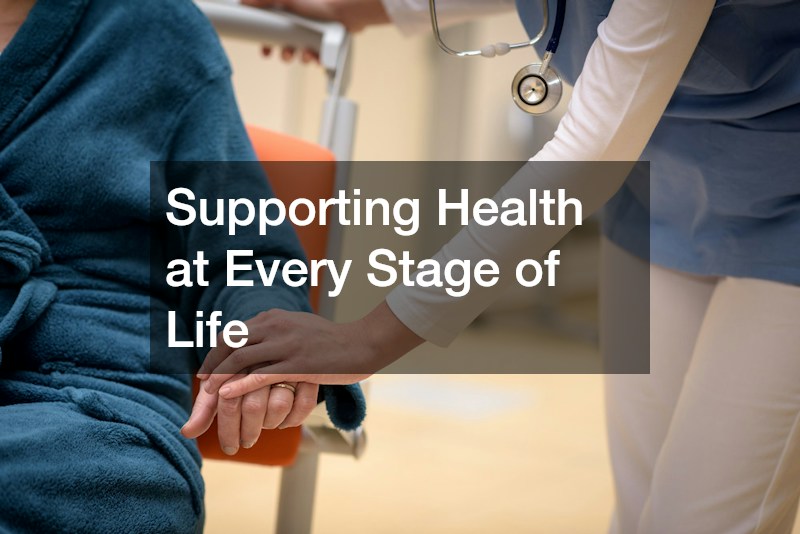
Health needs change as people grow older, making it important to have access to services that address different stages of life. A young child may need regular developmental assessments and vaccinations, while an adult may prioritize preventive screenings, routine examinations, and long-term health management. Older individuals may require additional assistance with daily activities, chronic conditions, or age-related changes.
Comprehensive care recognizes these differences and provides opportunities for individuals to receive appropriate attention as their needs evolve. Rather than focusing on isolated health concerns, a well-rounded approach considers the bigger picture. This can help individuals address potential problems earlier and maintain healthier routines over time.
Addressing Children’s Health Needs
Children benefit from consistent medical attention because their bodies and developmental needs change rapidly. Regular appointments allow healthcare professionals to monitor growth, discuss developmental milestones, and identify potential concerns. These visits also give parents opportunities to ask questions about nutrition, sleep, physical activity, and other important aspects of childhood development.
Having access to qualified pediatricians is particularly valuable because these professionals specialize in children’s health. They can provide age-appropriate care, recommend preventive services, and help parents understand what to expect as their children grow. Establishing a consistent relationship with a pediatric provider can also make it easier to discuss changes in a child’s health or behavior.
Comprehensive support also recognizes that children’s health involves more than medical appointments. Dental care, emotional well-being, healthy eating habits, and opportunities for physical activity all contribute to development. When parents have access to appropriate resources, they can make more informed decisions about supporting their children’s overall well-being.
Maintaining Wellness During Adulthood
Adults often balance professional responsibilities, household obligations, and family commitments. These demands can make it difficult to prioritize personal health, particularly when there are no immediate symptoms or concerns. However, routine care remains important even when someone feels healthy.
Preventive examinations and recommended screenings can help identify changes that might otherwise go unnoticed. Healthcare professionals can also provide guidance about managing existing conditions, maintaining healthy habits, and addressing concerns before they become more difficult to manage.
A comprehensive approach encourages adults to view wellness as an ongoing responsibility rather than something that only requires attention during an illness. Making time for routine appointments, following professional recommendations, and maintaining healthy daily habits can contribute to long-term health.
Providing Support for Older Adults
As individuals age, their healthcare and personal assistance needs may become more involved. Mobility limitations, chronic health conditions, and changes in memory or physical abilities can affect everyday activities. Older adults may benefit from additional support that allows them to maintain comfort, independence, and quality of life.
Reliable elderly care can help address these changing needs through appropriate assistance and ongoing attention. Depending on an individual’s circumstances, support may involve help with daily routines, transportation, medication management, personal care, or coordination with healthcare professionals.
Families also benefit from understanding the resources available to older relatives. Having dependable support can reduce uncertainty for caregivers and help them balance their responsibilities while ensuring their loved ones receive appropriate attention.
The Importance of Preventive and Routine Services
One of the most valuable aspects of comprehensive care is its emphasis on prevention. Waiting until a problem becomes noticeable can sometimes result in more complicated treatment needs. Routine services provide opportunities to monitor changes, identify potential concerns, and receive professional guidance before issues progress.
Preventive care can take many forms, depending on an individual’s age, health history, and circumstances. Medical examinations, dental checkups, screenings, and wellness consultations all contribute to a broader approach to maintaining health.
Making Regular Appointments a Priority
Consistency is an important part of maintaining good health. Scheduling routine appointments helps individuals establish relationships with professionals who understand their needs and can monitor changes over time.
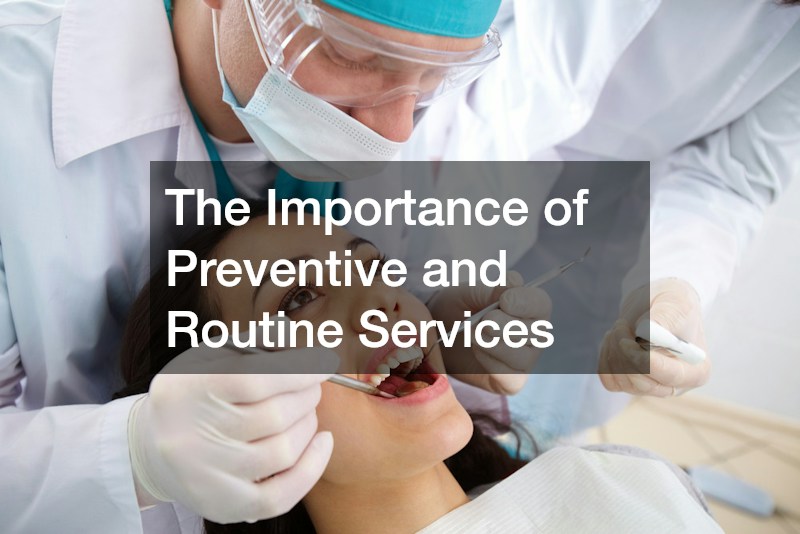
For example, regular visits to dental offices can help identify cavities, gum concerns, and other oral health issues. Dental professionals can also recommend appropriate hygiene practices and explain how everyday habits affect oral health.
Establishing a relationship with a trusted dental clinic can make routine care more convenient and encourage individuals to keep up with recommended appointments. Oral health is closely connected to overall well-being, which makes dental services an important part of a comprehensive care plan.
Regular appointments also create opportunities for individuals to ask questions and discuss concerns they may have overlooked. Even a seemingly minor change can be worth mentioning to a qualified professional, particularly when it persists or affects everyday activities.
Recognizing the Value of Specialized Services
Not every concern can be addressed through general medical care. Some situations require professionals with specialized training and experience. Having access to the right services allows individuals to receive more appropriate attention based on their circumstances.
For instance, people interested in certain wellness treatments may explore IV therapies after discussing their goals and health considerations with a qualified healthcare professional. These treatments involve delivering fluids or nutrients intravenously and should only be considered when medically appropriate and administered by trained professionals.
Similarly, individuals may visit med spas for specialized aesthetic and wellness services. Depending on the treatments offered, these establishments may provide services involving skin care, cosmetic procedures, and other appearance-related concerns. It is important to understand the qualifications of the professionals performing treatments and the potential risks involved.
Access to specialized care does not mean that every individual needs every available service. Instead, comprehensive care emphasizes having appropriate resources available when a particular need arises.
How Coordinated Care Benefits Families
Managing healthcare for an entire household can involve several appointments, providers, and different types of services. Parents may need to coordinate children’s medical visits while also keeping up with their own health needs and helping older relatives manage ongoing concerns. Without organization, these responsibilities can become difficult to balance.
A coordinated approach helps families understand their options, keep track of important appointments, and communicate relevant information between professionals when appropriate. It also encourages individuals to consider how different aspects of health and daily life affect one another.
Reducing the Stress of Managing Multiple Needs
Families often have busy schedules, and arranging several appointments can require considerable planning. Having established relationships with dependable professionals can make the process more manageable.
For example, parents who already have relationships with healthcare providers, dental professionals, and other specialists may find it easier to arrange routine services and follow professional recommendations. Keeping records of appointments, treatment plans, and important questions can also help prevent information from becoming disorganized.
Care coordination is especially valuable when multiple providers are involved. With appropriate permission, professionals may share relevant information to support continuity and reduce the likelihood of conflicting recommendations.
This approach can also help caregivers recognize when additional assistance may be necessary. Instead of trying to manage every concern independently, families can identify the appropriate professional or resource for each situation.
Supporting Mental and Emotional Well-Being
Comprehensive care should also recognize the importance of emotional health. Stress, major life changes, family responsibilities, and ongoing health concerns can affect how individuals feel and function each day.
Having access to qualified professionals and supportive resources can make it easier to address these challenges. Depending on individual needs, this may involve counseling, behavioral health services, support groups, or other appropriate resources.
Families can contribute to emotional well-being by maintaining open communication and creating an environment where people feel comfortable discussing concerns. Children, in particular, benefit from knowing they can ask questions and express their feelings without judgment.
A well-rounded approach recognizes that physical and emotional health are connected. Supporting both can help individuals build healthier routines and develop the resources needed to manage everyday challenges.

Extending Comprehensive Care Beyond Traditional Healthcare
Although medical services are an important part of comprehensive care, everyday well-being also depends on other responsibilities. Families may need assistance with pet health, personal wellness, legal matters, and maintaining a safe living environment.
Recognizing these needs helps individuals understand that reliable support comes from a variety of qualified professionals. Different services may not fall under the same healthcare system, but they can still contribute to a household’s overall quality of life.
Including Pet Health in Household Wellness
Pets are important members of many households, and their health can affect family routines and emotional well-being. Regular veterinary appointments, vaccinations, preventive treatments, and appropriate nutrition help animals remain healthy throughout their lives.
Having a dependable local veterinarian gives pet owners a resource for routine examinations and guidance when health concerns arise. Veterinary professionals can also recommend age-appropriate care and explain how an animal’s needs may change over time.
Other pet-related services can contribute to responsible ownership. For example, dog groomers help maintain coat cleanliness, nail length, and general grooming needs. While grooming is not a replacement for veterinary care, it can be an important part of maintaining a pet’s comfort and hygiene.
When families make pet wellness part of their household routines, they are better positioned to recognize changes in an animal’s behavior or physical condition and seek appropriate attention.
Understanding Personal Wellness and Aesthetic Services
Personal wellness can involve different priorities depending on an individual’s preferences and circumstances. Some people focus primarily on preventive healthcare and healthy lifestyle habits, while others may also be interested in specialized aesthetic services.
For those considering treatments offered by medical spas, understanding the nature of each service is essential. These facilities may offer certain cosmetic procedures and treatments intended to address individual appearance-related goals. However, the qualifications of providers, facility standards, treatment risks, and appropriate medical oversight should all be considered before scheduling a procedure.
It is also important to distinguish between wellness services and medically necessary treatment. Not every treatment advertised as a wellness option has established benefits for every individual. Consulting a qualified healthcare professional can help people determine whether a particular service is appropriate for their circumstances.
A thoughtful approach to personal wellness prioritizes safety, realistic expectations, and informed decisions rather than pursuing treatments simply because they are available.
Having Access to Professional Assistance During Unexpected Situations
Comprehensive support also involves knowing where to turn when unexpected problems occur. Accidents, injuries, and other difficult circumstances can create physical, emotional, and financial challenges for individuals and families.
In certain situations, professional legal assistance may become necessary. For example, someone injured in a fall may need to understand their rights and the options available for pursuing compensation. Consulting the best slip and fall lawyer for an individual’s circumstances may help clarify potential legal responsibilities, available evidence, and possible next steps.
Although legal services are different from medical care, they can become an important resource when an injury affects someone’s ability to work, maintain financial stability, or manage everyday responsibilities. Knowing which professionals can provide appropriate guidance helps individuals make informed decisions during stressful situations.
Building Long-Term Habits That Support Well-Being
Comprehensive care is most effective when it becomes part of an individual’s regular routine. Occasional appointments and one-time treatments may address immediate concerns, but long-term wellness often depends on consistent habits and informed decisions.
Families can make progress by identifying their priorities and creating manageable routines that accommodate everyone’s needs. This does not require making significant changes all at once. Small, consistent steps can make maintaining health and organizing household responsibilities easier.
Keeping Important Health Information Organized
Maintaining accurate records can help individuals and caregivers manage appointments and communicate effectively with professionals. Medical histories, medication lists, dental records, vaccination information, and relevant treatment details can provide useful context during future appointments.
Families may benefit from keeping important information in a secure location where authorized caregivers can access it when necessary. Digital records, appointment reminders, and organized folders can simplify the process of tracking different responsibilities.
It is also helpful to maintain a list of questions before appointments. Writing down concerns ahead of time can make conversations more productive and help individuals remember important details.
For households supporting children or older adults, organizing records can be particularly valuable because multiple people may participate in coordinating care.
Encouraging Healthy Everyday Routines
Professional services are only one part of maintaining well-being. Everyday habits also play an important role in supporting physical and emotional health.
Balanced nutrition, regular physical activity, sufficient sleep, and appropriate hydration can contribute to healthier routines. Families can encourage these habits by preparing meals together, participating in physical activities, and establishing consistent sleep schedules.
It is equally important to recognize that healthy routines should be realistic. Work obligations, school schedules, financial considerations, and individual abilities can influence what is practical for each household.
Rather than comparing routines with those of other people, individuals should focus on identifying habits that support their own needs and circumstances. When necessary, qualified professionals can offer recommendations based on personal health considerations.
Knowing When to Seek Additional Support
A comprehensive approach also requires recognizing when existing resources are no longer sufficient. Changes in physical abilities, new symptoms, ongoing stress, or difficulties managing everyday activities may indicate that additional assistance is needed.
Individuals should feel comfortable discussing these changes with appropriate professionals rather than waiting for circumstances to become more difficult. Families can also support one another by communicating openly and recognizing when caregiving responsibilities need to be adjusted.
Seeking additional help is not a sign of failure. It is a practical way to respond to changing needs and maintain a healthier, more manageable lifestyle.
Making Comprehensive Care a Family Priority
Comprehensive care matters because individuals and families rarely have just one type of need. Health, wellness, preventive services, emotional support, and everyday responsibilities all influence quality of life. Taking a broader approach makes it easier to recognize these connections and identify the appropriate resources for different circumstances.
From routine medical and dental appointments to specialized treatments, pet wellness, and professional assistance during unexpected situations, reliable support can help households make informed decisions. Building relationships with qualified professionals and maintaining consistent routines also encourages individuals to take an active role in their long-term well-being.
Ultimately, comprehensive care is about having the knowledge, resources, and support necessary to address changing needs at every stage of life. By making prevention, communication, and informed decision-making priorities, individuals and families can create a stronger foundation for healthier, more confident futures.